


 04 December 2025
5 Subtle Signs Your Safari May Be Harming – Not Helping – the Places You Visit
Travel opens our world, but the way we travel matters. Sometimes, without realising it, our well-intended journeys can place invisible pressure on communities and ecosystems. Low-cost travel and the influence of social media means global tourism is on the rise. So, it’s more important now than ever that we pay attention to the impact of our journey. If you prioritise conscious travel, here are five indicators that your safari may be doing more harm than good:
-
Wildlife is treated as a spectacle rather than as living beings
If animals are consistently surrounded by vehicles, called closer with food, or pushed into unnatural encounters for better photos, the experience isn’t respectful – it’s disruptive. Ethical sightings should feel spacious and unforced, allowing you to observe the animal’s natural behaviour.

-
You see tourism, but not genuine benefit for the community
If locals are present only as labour rather than active voices and participants in leadership, culture, or decision-making, the economic benefits are likely flowing outward, not inward. What are some signs your stay is contributing to genuine, long-lasting benefit? Cultural celebration, upskilling locals through training and internships, and empowering them into leadership or management roles.

-
Sustainability claims stop at carbon offsets
Offsetting is useful, but it’s only a small part of sustainability. Search for more meaningful efforts to separate genuine actions from marketing material. This could be anything from the food on your plate to how electricity is generated. Real, conscious travel goes beyond the paperwork that balances numbers.

-
You are a spectator, not a learner
When safaris feel like a checklist of animals, the land becomes something to “get through,” not something to know. If the experience never invites you to listen, ask questions, understand history, or learn from the people whose lives intersect with the landscape – then an opportunity for real connection and growth is lost.

-
You leave without understanding who truly benefited from your stay
Were you simply a consumer of a place, or did your presence help protect it? Did the land profit from you being there? Did the community? If the answers to these questions are not clear, it may be because the needs of tourism were prioritised over the wildlife and people living there.

What makes Sashwa different
Sashwa River of Stars wasn’t created to make a profit. As a social enterprise, we exist solely to fund conservation and community from the inside out. From our solar panels to our on-site vegetable garden, our lodge was designed with sustainability embedded into daily life. Our internship programme creates real, career-building opportunities for aspiring chefs and hospitality graduates. And our slow safaris, by vehicle or on foot, are centred around one ethos – to quietly observe and allow the magic of nature to come to us.
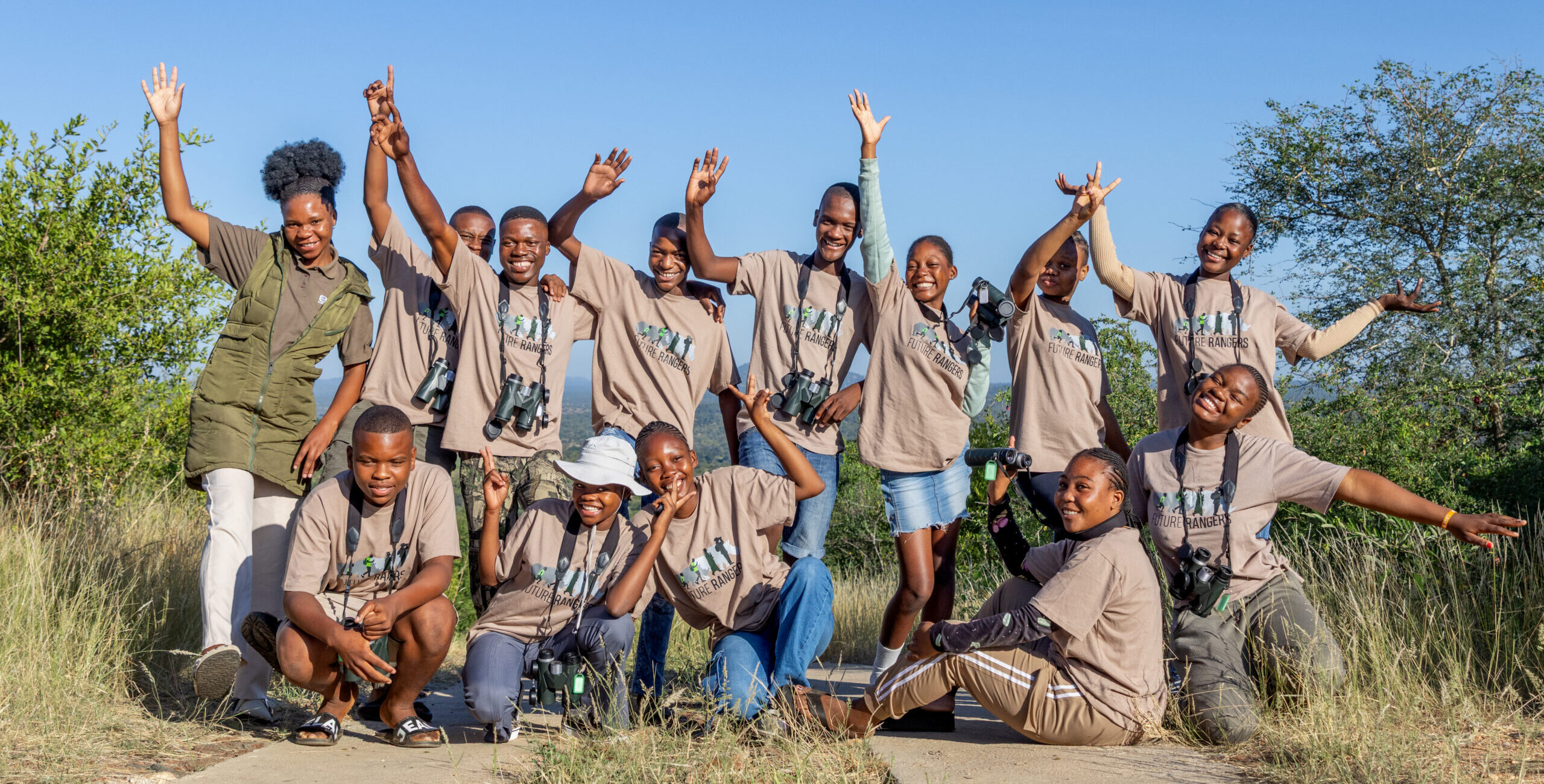
But, above all of that, it’s our connection to Koru Camp – a nonprofit, educational safari camp for local communities – that sets us apart. Every stay at Sashwa directly supports Koru Camp. Whilst our guests are watching hippos surface or practising yoga at sunrise, their presence here is creating imperceptible moments of change around them. Local children who arrive at camp terrified of elephants leave with unbridled joy at having seen one for the first time. Young adults disconnected from their natural heritage become inspired to follow a path into guiding or conservation. And elderly Gogos, who have spent a lifetime confined to their small communities, are moved into profound silence at finally experiencing the beauty of their own country.
When someone chooses to stay at Sashwa, they are helping build a more inclusive relationship between local people and the wilderness around them. It’s immersive and restorative for the traveller, whilst also creating real opportunities for those who live beside these wild places. Together, we seek to build a future where local people are not just witnesses to conservation — but leaders of it. It’s why Koru Camp exists. And why Sashwa exists alongside it.

 Enquire
 Chat
Chat Email
Email