


 27 October 2026
Beyond the Surface: The Hidden World of Elephants
When you embark on your first safari, a beaming energy of anticipation comes with the chance to encounter the majestic African Bushveld.
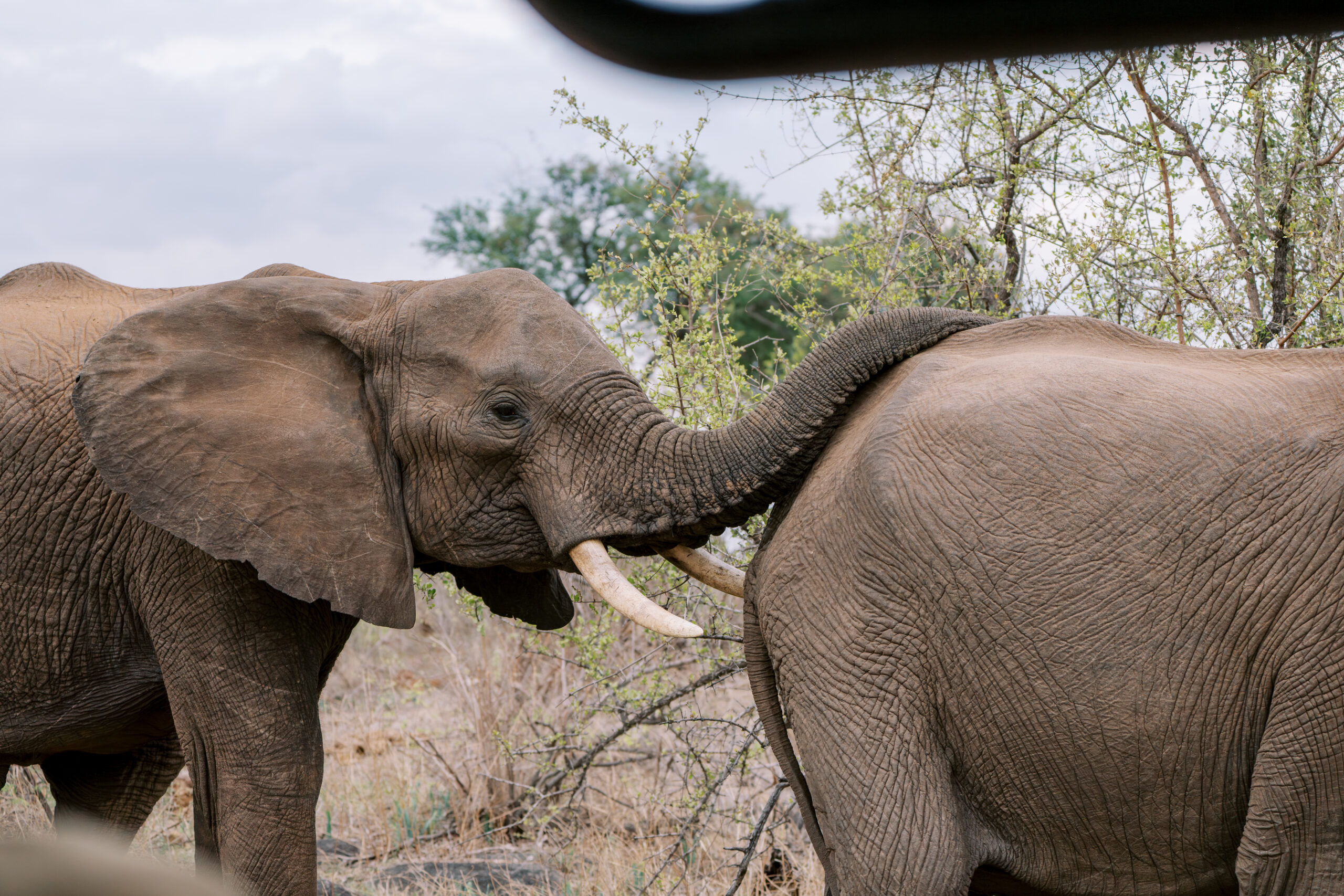
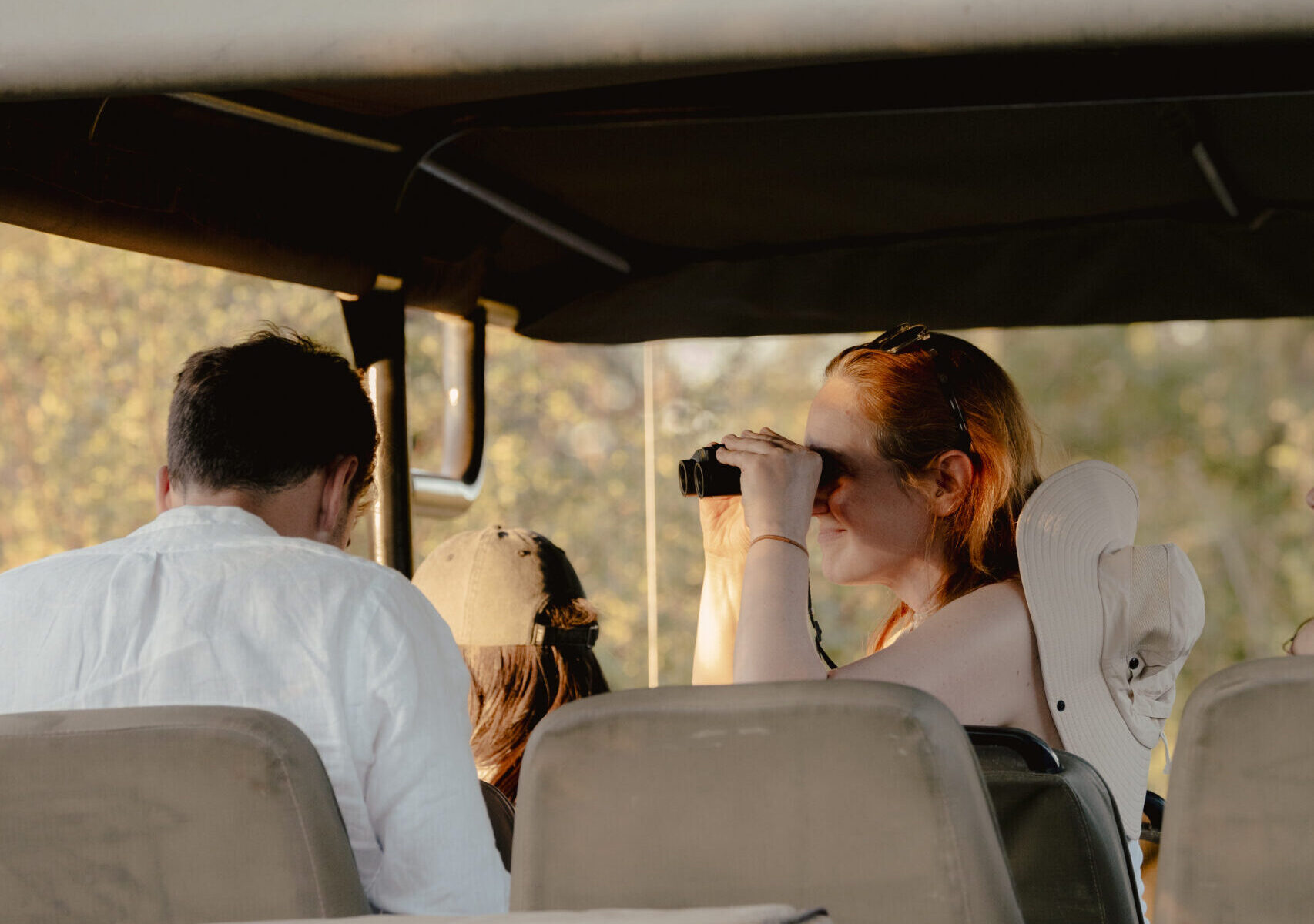
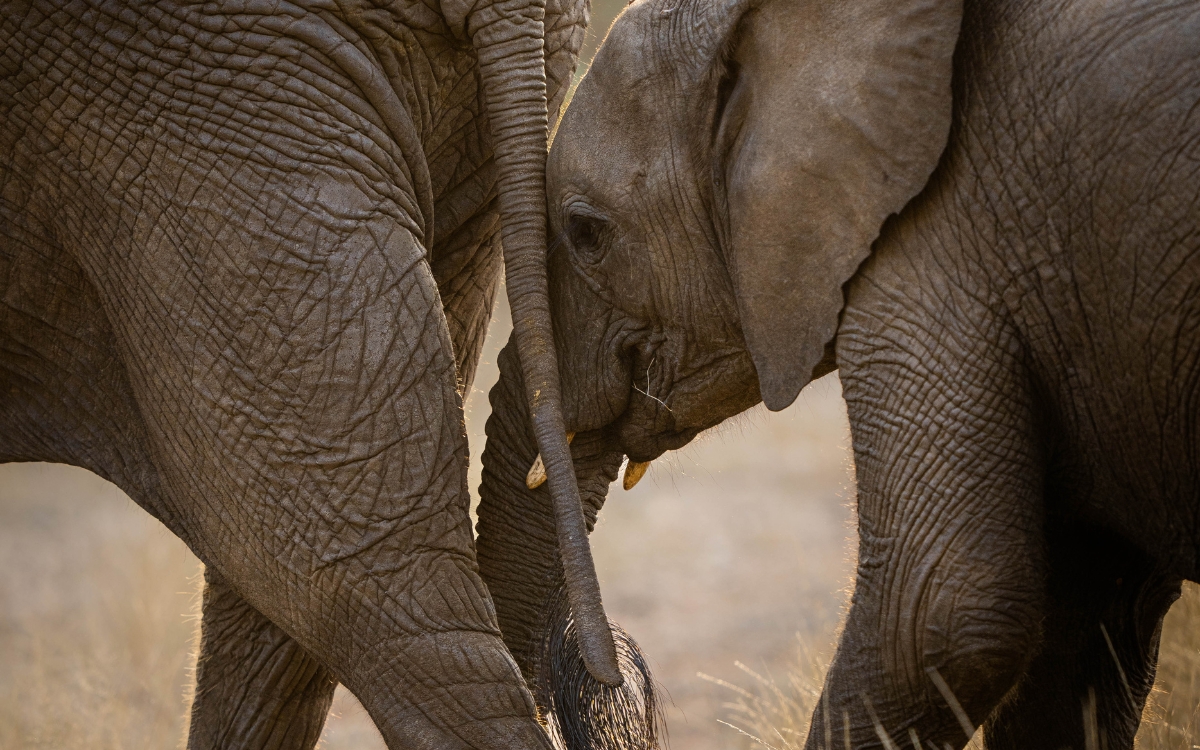
As the game viewer turns around the bend, a flash from beneath a tree catches your attention. Your guide stops, and you lean in to grab a closer look—a leg extends into the air, then another, revealing the body of a lioness in full stretch as she tumbles over to her side. A ways down the road, a herd of elephants appear, and the canopies dance with birdlife. Each sighting fills you with immense excitement.
But what happens when we remain curious beyond the surface of what we pay our attention to?
A World Within
Elephants are considered a keystone species, meaning their influence on an ecosystem extends far beyond merely their own species’ survival. As they forage on a variety of vegetation and travel across different habitats, they help manipulate and establish the landscapes they move through.
They disperse seeds, create pathways through dense vegetation and alter the availability of food, water and shelter for other species.
Beyond their enormous impact, a passing thought about a potential connection between whale and elephant communication surfaced in the remote eastern corners of South Africa’s Elephant Coast, opening up a fascinating dialogue between these two worlds.
Both species use ultra-low frequencies to communicate across vast distances, each within polarising environments to one another. While no established research shows that whales and elephants can in fact communicate, the hypothesis gives us space to consider how much of the natural world unfolds beyond our awareness, and how many relationships we have yet to discover
Connecting to the Land
Nature has shaped the way people have lived for generations. They have learned to recognise useful plants, transforming them into medicine, clothing, tools, building materials, and spiritual practices.
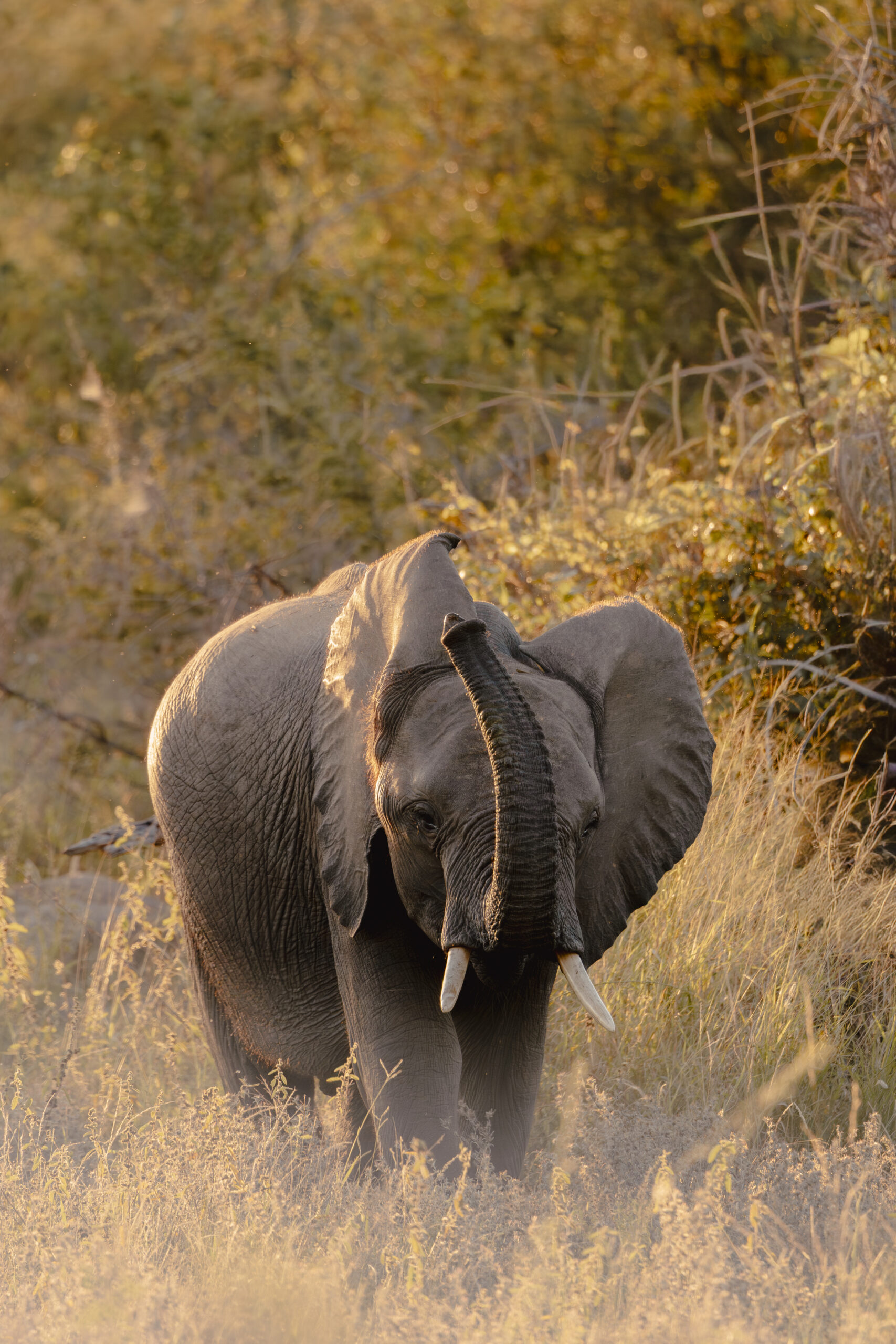
At Sashwa, we indulge in plant-based cuisine, reflect among the trees with a herbal tea in hand, bend with the gentle winds, and watch wildlife interact with the world around us. We do not see nature as separate from us, but rather an expression of our natural way of being.
Ethnobotany explores these relationships between people and plants, preserving knowledge nurtured through generations of observations and experiences.
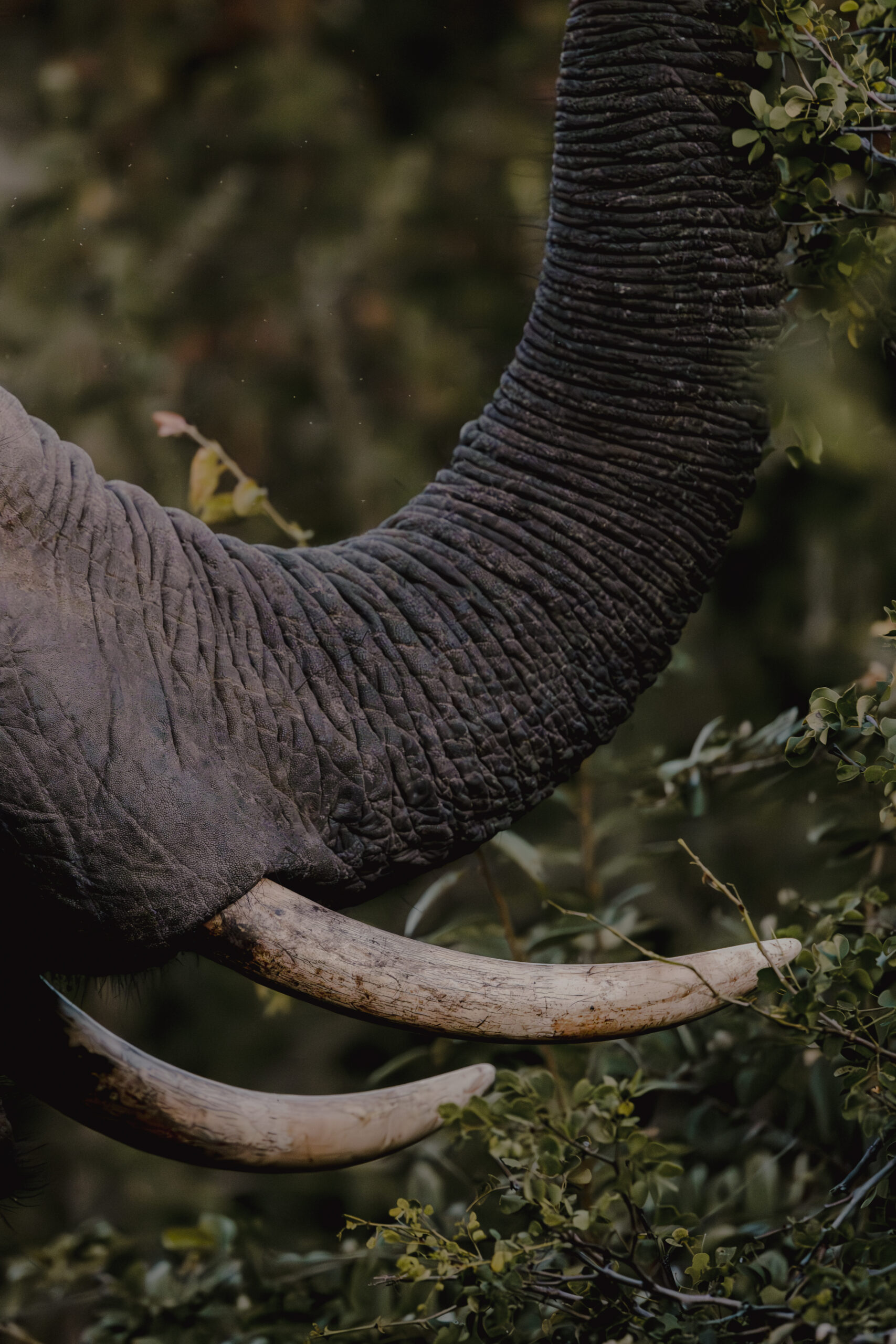
Elephants contribute uniquely to sustainable relationships between people and the environment. Their dung contains partially digested plant materials and seeds, which has been used in some traditional practices as pain relievers, insect repellents, and paper making, as well as an optional aid for biogas production in recent years.
On safari, what at first glance appears insignificant can, upon closer inspection, reveal an invaluable role in a wider ecological cycle, connecting us more deeply to the land.

A Journey Towards Conservation
Conservation is the thoughtful protection and continuous advocacy towards nurturing our wild spaces, while also recognising the relationships we share within their ecosystems.
Simple alterations, such as a change in the population of a species, or the introduction of a new one, can have detrimental impacts on the broader ecosystem and resource availability. Restricted access to the wilderness can also affect local traditional practices and educational exposure.
Protecting our wildlife therefore protects a deeper network of relationships.
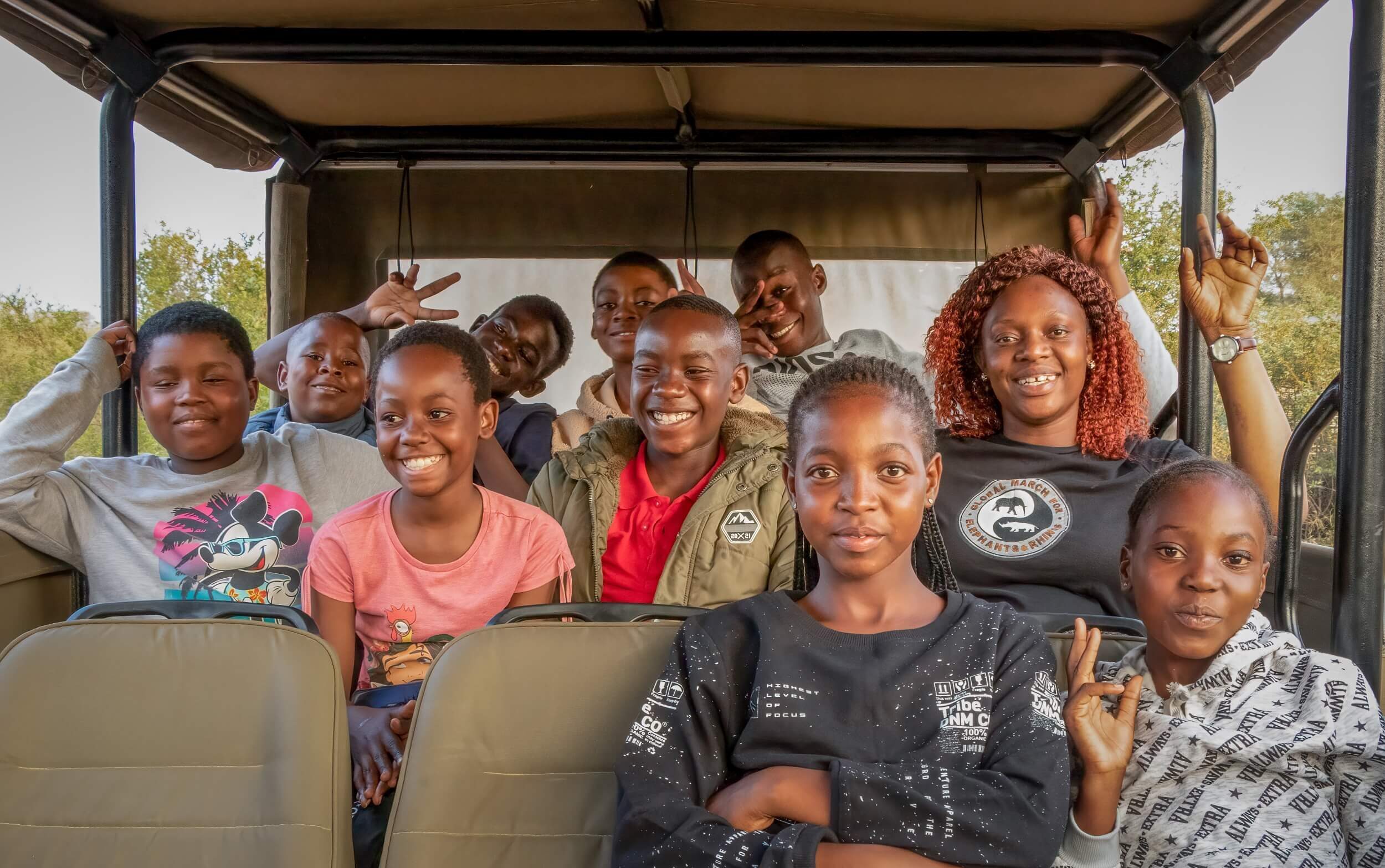
At Koru Camp, environmental education is at the forefront of our efforts towards local community upliftment and wildlife protection. Many participants from local communities experience their first-ever elephant sighting during their excursions to Koru. It is through this immersive bush experiences and interactive learning programmes, that participants can develop a closer understanding of Africa’s wilderness and the importance of protecting it.
While at Sashwa, this commitment to the wilderness is reflected in our support of Koru Camp, by contributing 100% of our profits towards supporting Koru’s mission.
Every stay therefore forms part of a wider journey towards conservation
Beyond the Surface
An elephant sighting extends far beyond the sighting itself, just as the vibrant birdlife dancing in the canopies extends far beyond what we initially observed.
Every element of nature has a hidden world beyond its surface. The more curious we become, the more we begin to notice that nothing lives in isolation, each influencing the other, including ourselves.
When we allow our imagination to explore all the wonderful potentials, an elephant might just be whispering to a whale on the coast where the land meets the ocean.
We still have so much to uncover; all it takes is a little curiosity to begin noticing the connection of the worlds within.
 Enquire
 Chat
 Email