


 28 June 2026
Somatic Healing: What Nature Teaches Us About Stress, Tension and Release
There are certain places in the body where stress likes to settle. The jaw, shoulders, chest, and hips. We carry tension without always realising how much of it has built up, until a headache arrives, we struggle to get comfortable, or a stretch never quite releases the pressure.
Often, we think of stress as something that lives solely in the mind. But the body keeps score in its own way. It braces, contracts, shortens, and holds tension and emotions.
Over time, these habitual patterns can become so familiar that they stop feeling like stress at all and become our baseline expression.

The body’s wisdom: Pandiculation and the Stretch Reflex
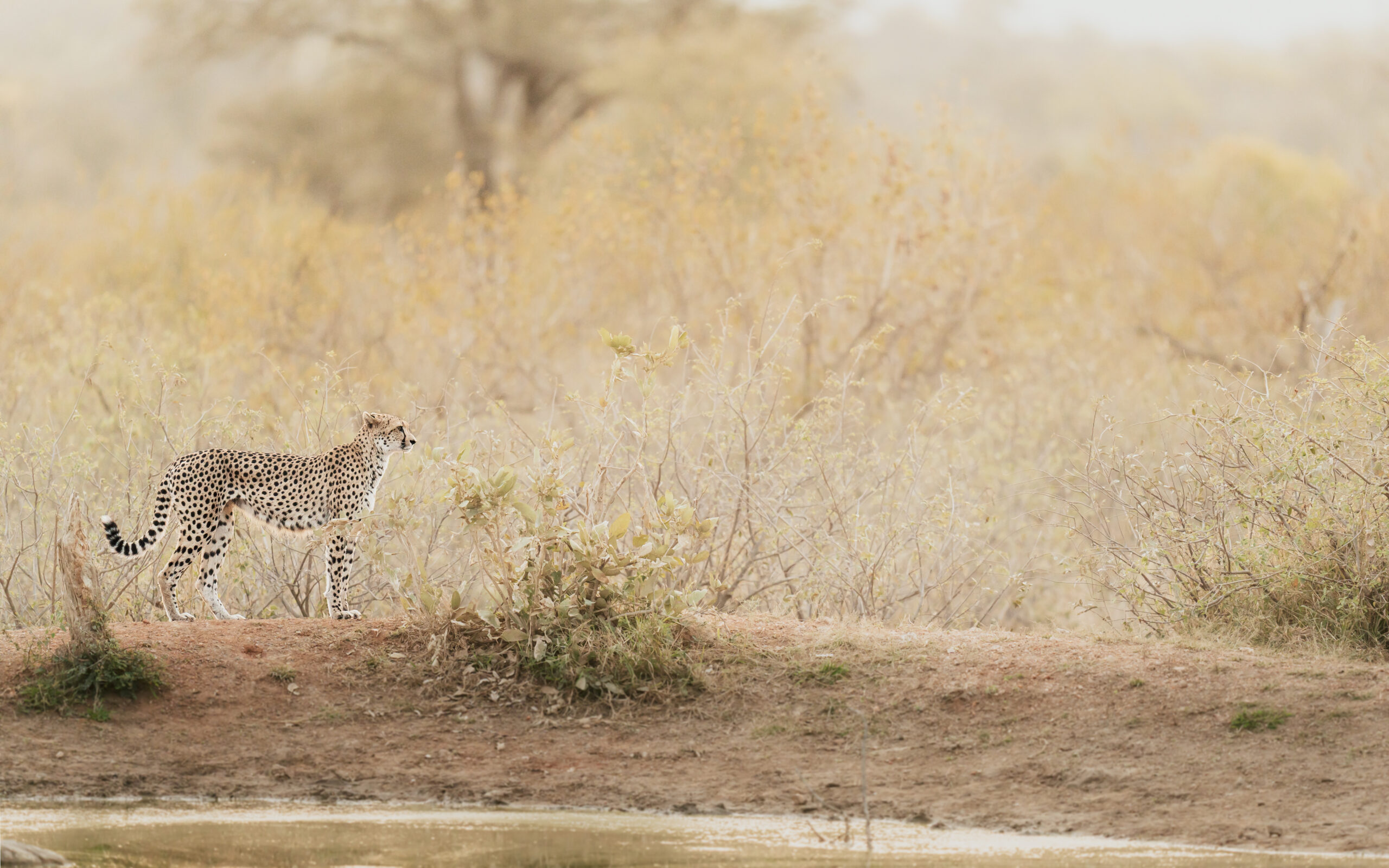
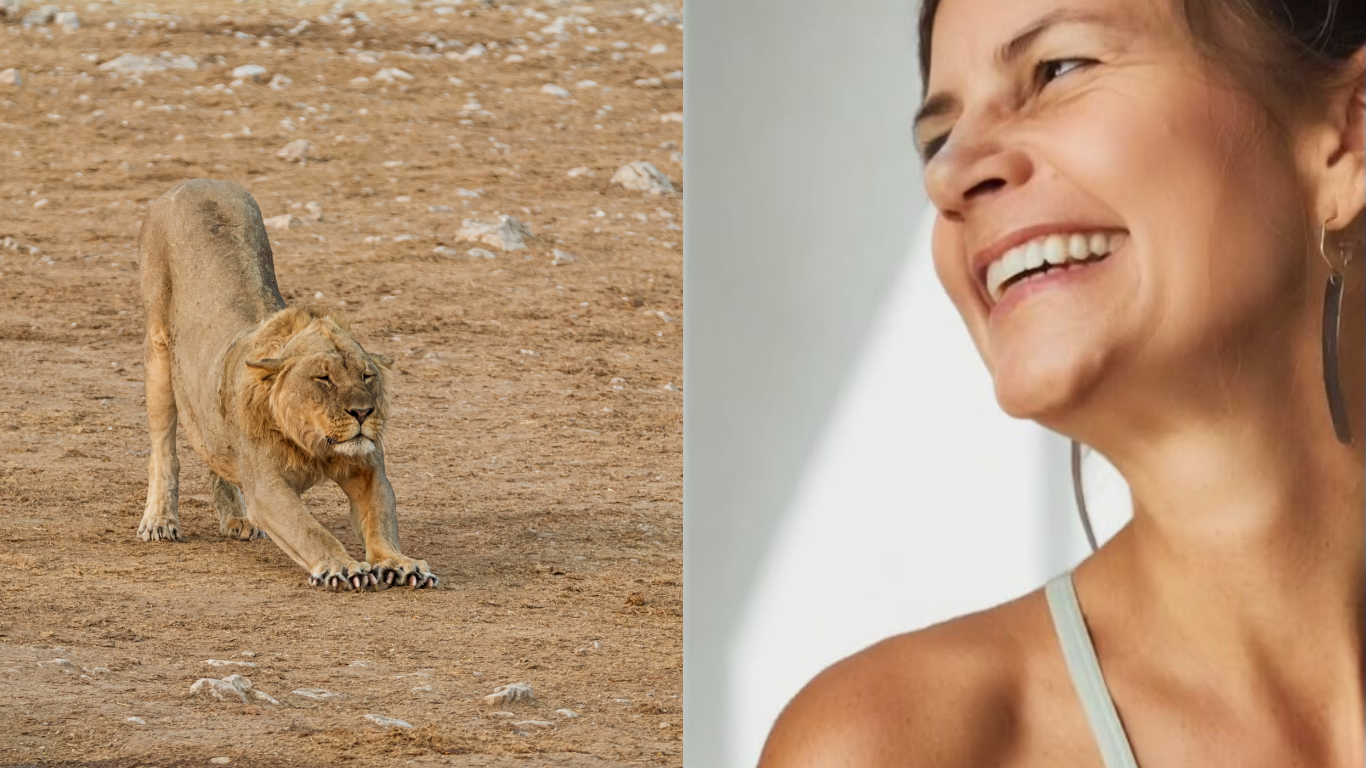
Within nature, we find that stress is not meant to linger. Animals hold an innate ability to adjust their bodies instinctively after moments of tension, through stretches, yawns, shakes or other agile movements. This phenomenon is called pandiculation.
We see this in cats as they lengthen their body through a satisfying stretch. Or the way in which an antelope shakes its body, releasing tension.
In our daily lives, this manifests as we stretch upon awakening, exhaustively sigh when we feel overwhelmed, become frustrated, and repeatedly reposition to find comfort.
The impulse to release remains inherent.



Alongside this release system, the body also has protective systems designed to keep us safe from self-inflicted injury against pandicular movements, and daily activity. This is called the stretch reflex.
It is an integral response that prevents our muscles from stretching beyond what is safe and protects us from injury. This is why forcing ourselves deeper into a stretch does not always facilitate flexibility. In some cases, it can have the opposite effect, prompting the body to guard even more so.
Together, the stretch reflex and pandicular response system shape our unconscious movement patterns. As our bodies respond to everyday stress, repetitive movement, and posture by holding tension, our instinctive nature searches to release it through stretching, yawning, sighing, or shaking.
This helps explain why tension can feel never-ending as the body simultaneously searches for release while constricting the boundaries within which that release occurs.
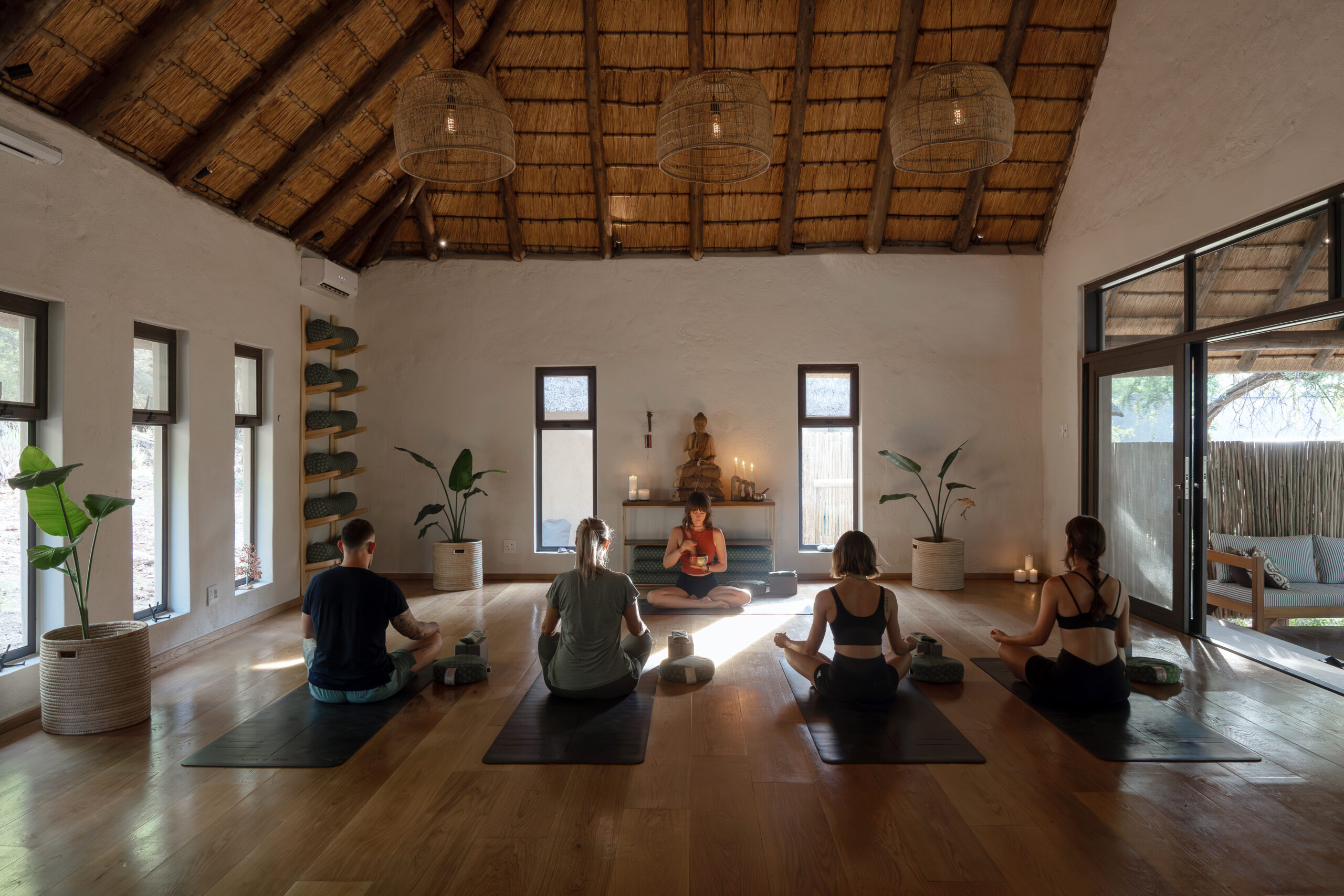
What is Somatic Healing? Working with the nervous system, not against it.
At its core, somatic healing works with the understanding that stress and tension are not just mental experiences. Practising Yoga through the lens of Clinical Somatics, we learn to apply neuromuscular repatterning techniques to help release long-held tension.
The process begins by deliberately engaging habitual areas of tension in the body, contracting the tension-held areas with increased stress. Then, through extraordinarily slow, controlled, and intentional movement, gradually release the pressure until fully at ease.
This allows bodily intelligence to register exactly where tension is being held, and it teaches you to release that tension more effectively through mindful movement.
The goal isn’t to push through restriction, but to re-educate the nervous system.
Through the lens of Amy Buck at Sashwa
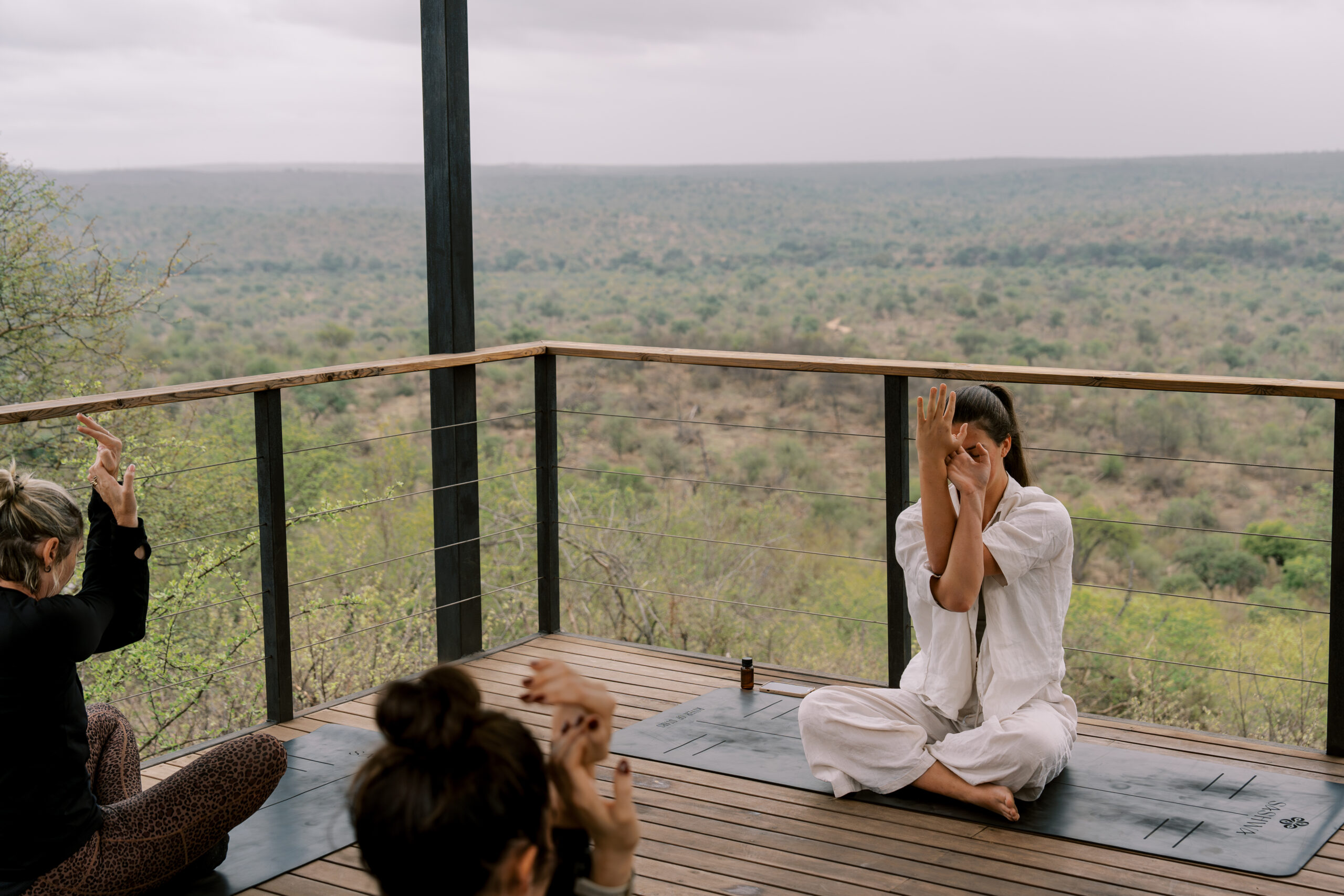
This June, Sashwa welcomed guest yoga facilitator Amy Buck, founder of Align Holistic Fitness. Amy’s work is shaped by years of study in Clinical Somatics, Fascia-Informed Movement, Pilates, and Yoga, and her teaching is deeply rooted in the relationship between the body, the mind, and the nervous system.
During Amy’s stay at Sashwa, she taught yoga through the lens of Clinical Somatics, embedded in each movement.
Every moment felt intentional, focusing on awareness.
She introduced our guests and staff to an integrative yoga practice bridging somatic healing and movement. Deepening their connections through mindful attention.
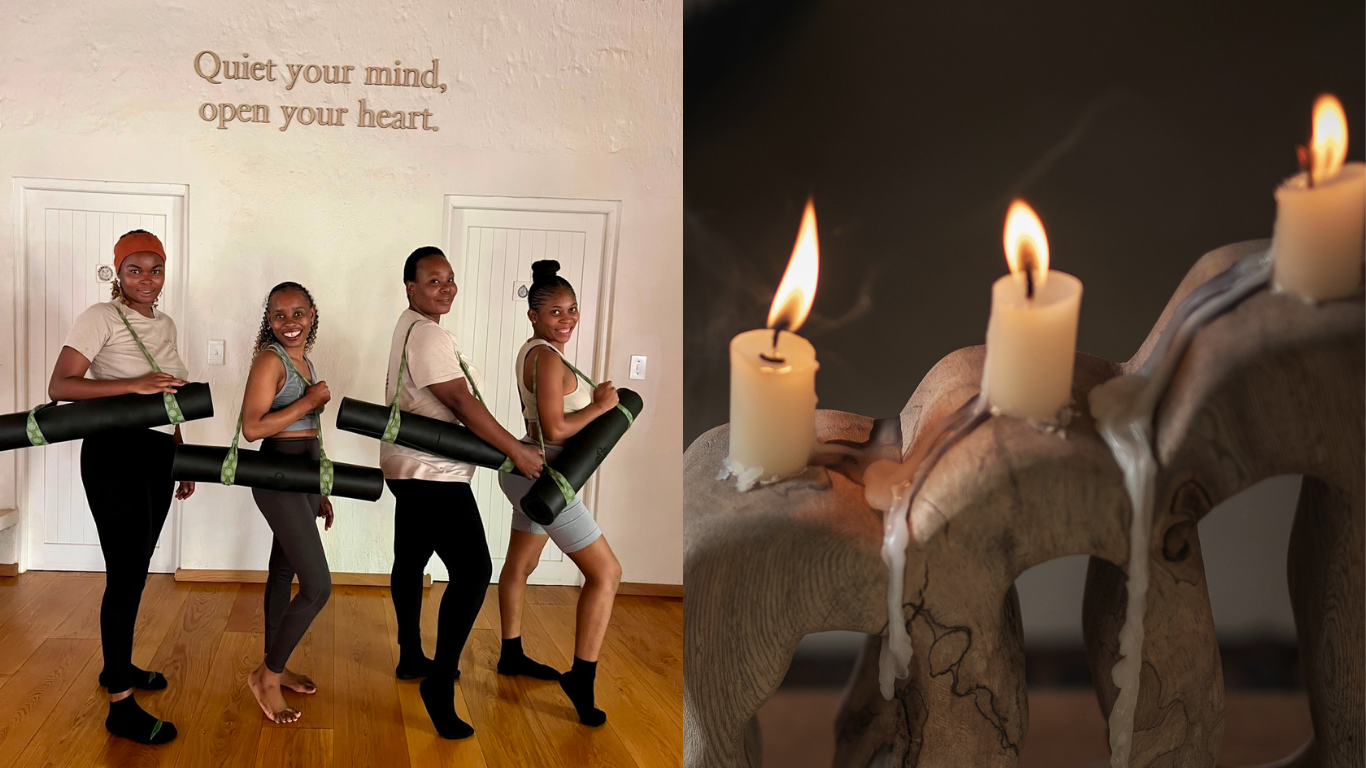
We noticed guests and staff stepping off the mat with a meaningful meditative reflection.
A Somatic Lesson from Life in the Bush
In nature, animals do not apologise for trusting their instincts, resting, or responding to stress in physical ways.
Somatic healing reminds us to look inward, listen to the conversation within our bodies, and trust our innate wisdom. It allows us to redefine progress through moments of recognition, and teaches us to move through activation and release with meaningful attention.
At Sashwa, surrounded by the rhythms of nature, that idea feels especially resonant: That sometimes meaningful change happens when we combine mindful awareness and intentional practice.

 Enquire
 Chat
Chat Email
Email