


 26 September 2026
The Heritage We Carry
Heritage is thought to be the collection of traditions we share. It is the stories we pass down from one generation to the next, the recipes that evoke the nostalgic feeling of home, the landscape that holds us in its embrace, and the cultures that shape the way in which we view the world.
We often carry it with us without fully noticing its presence woven into the land we call home.
What We Share
There are certain things that unite South Africans fiercely.
A weekend braai that starts in the early afternoon and somehow carries well into the evening, especially when there is a big rugby game on.
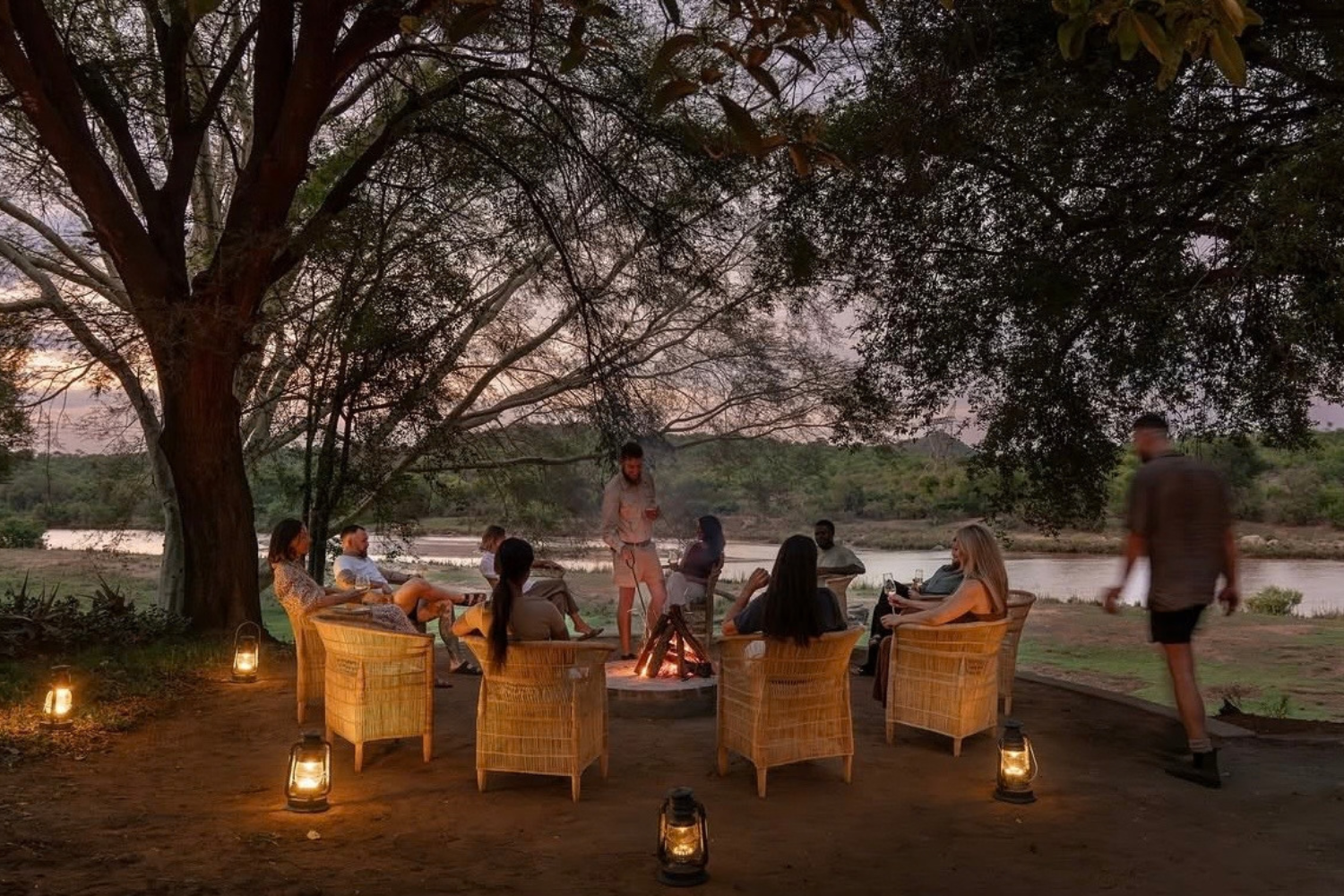
A boma fire underneath a starry night sky, preferably deep within the bushveld, surrounded by wildlife.
A peculiar sense of humour, often rooted in South African solidarity against outside opinions.
Resourcefulness, Ubuntu, community, multilingualism, and unmistakable playfulness that knows no age. These attributes belong to all of us. They have become the way we know ourselves.
And yet, there is no single version of what it means to be South African.
Our heritage is vast. It holds space for the collective, but also for the countless cultures, communities and subcultures that make up the country. We share experiences, places, traditions, and rich historical perspectives.
Xandla Famba, Xandla Vuya
South Africa has twelve official languages, alongside countless traditions, histories and cultural practices. Each carries its own expressions, stories, memories and ways of understanding the world.
“Xandla famba, Xandla vuya” is a Shangaan proverb translated as, “Hand goes, hand comes back.” It speaks to the idea that community reciprocity and mutual support are essential for a thriving society.
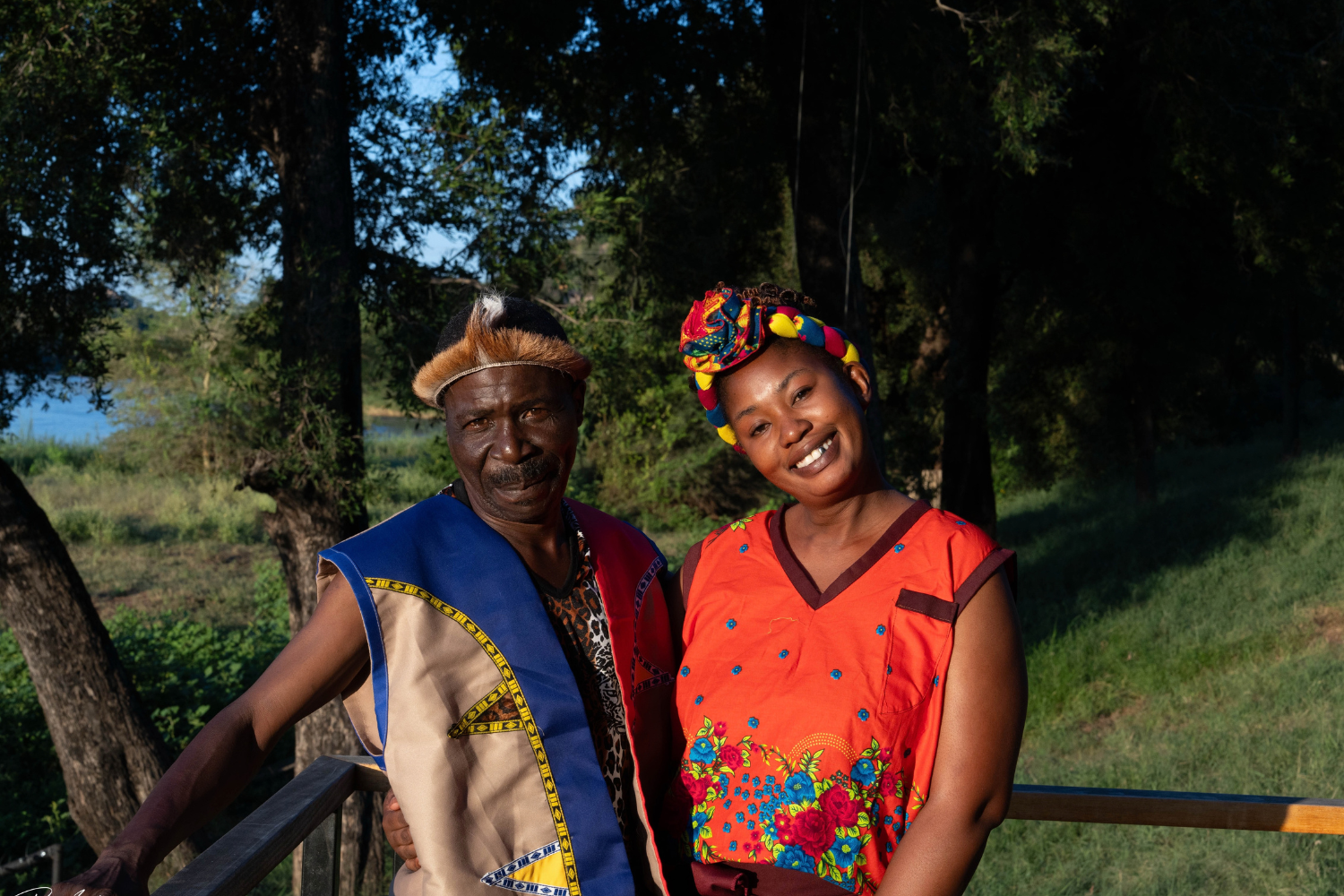
It is a fitting sentiment for a country as diverse as ours, and one that holds roots here at Sashwa with a strong Shangaan influence within our community.
Our differences do not sit outside our collective identity; they are part of it. This is what makes Heritage Day worth celebrating.
Living Heritage At Sashwa
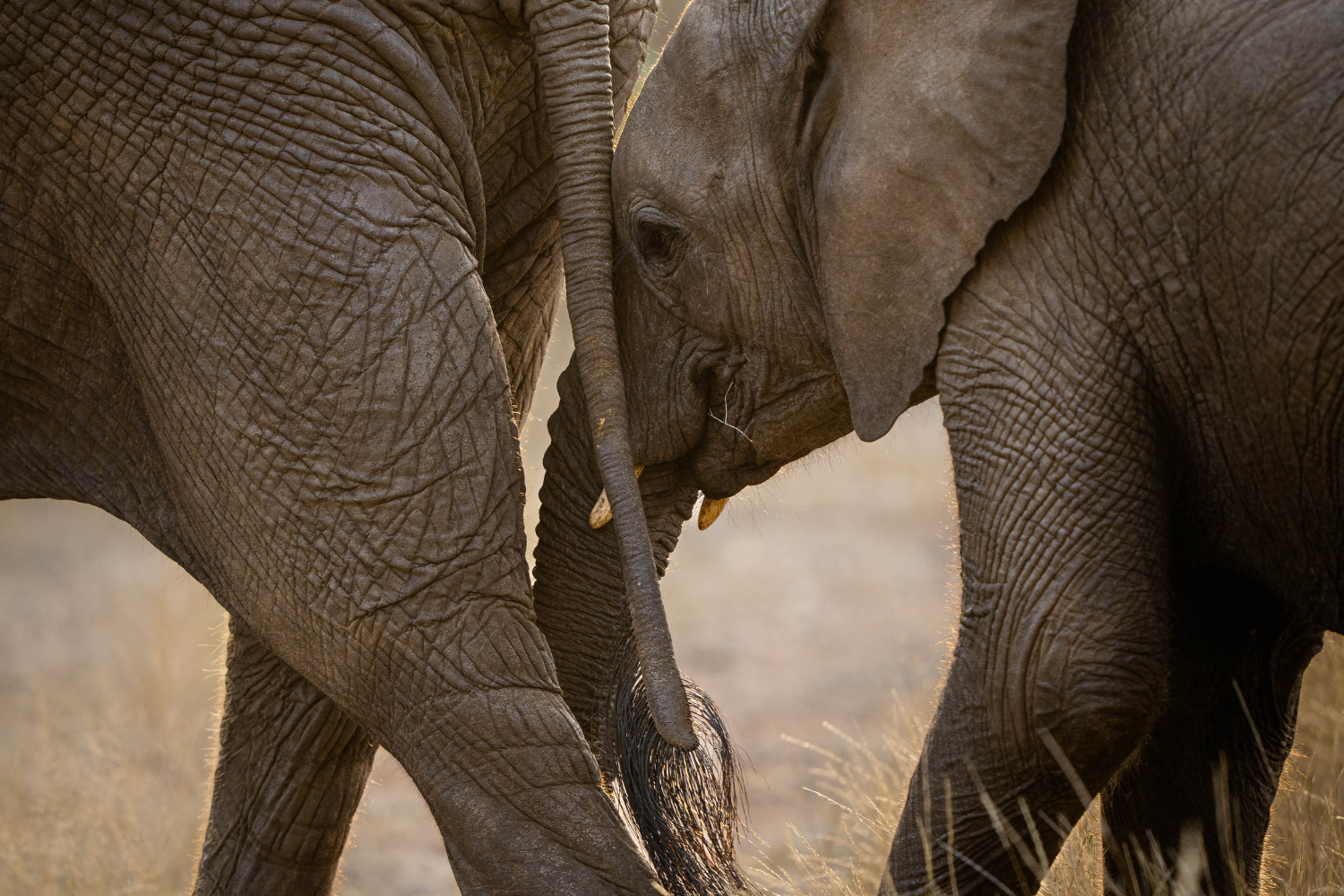
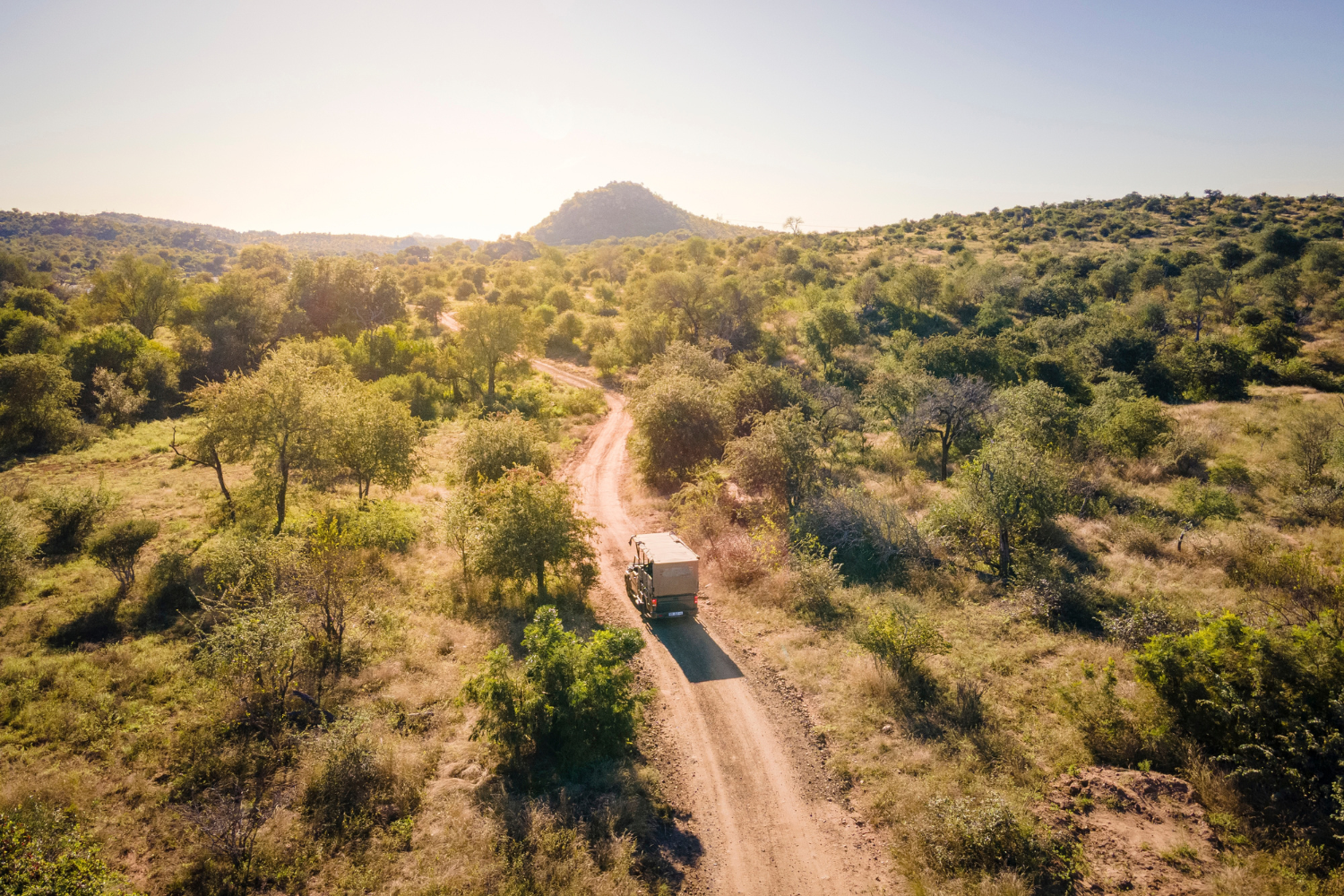
Nature breathes diversity into its landscapes. It is made richer by variety. Each species adds value to the larger collective, and differences become essential to its success.
In many ways, our heritage works the same way.
At Sashwa, these values are not just embellishments. They are a part of how we live and share our home.
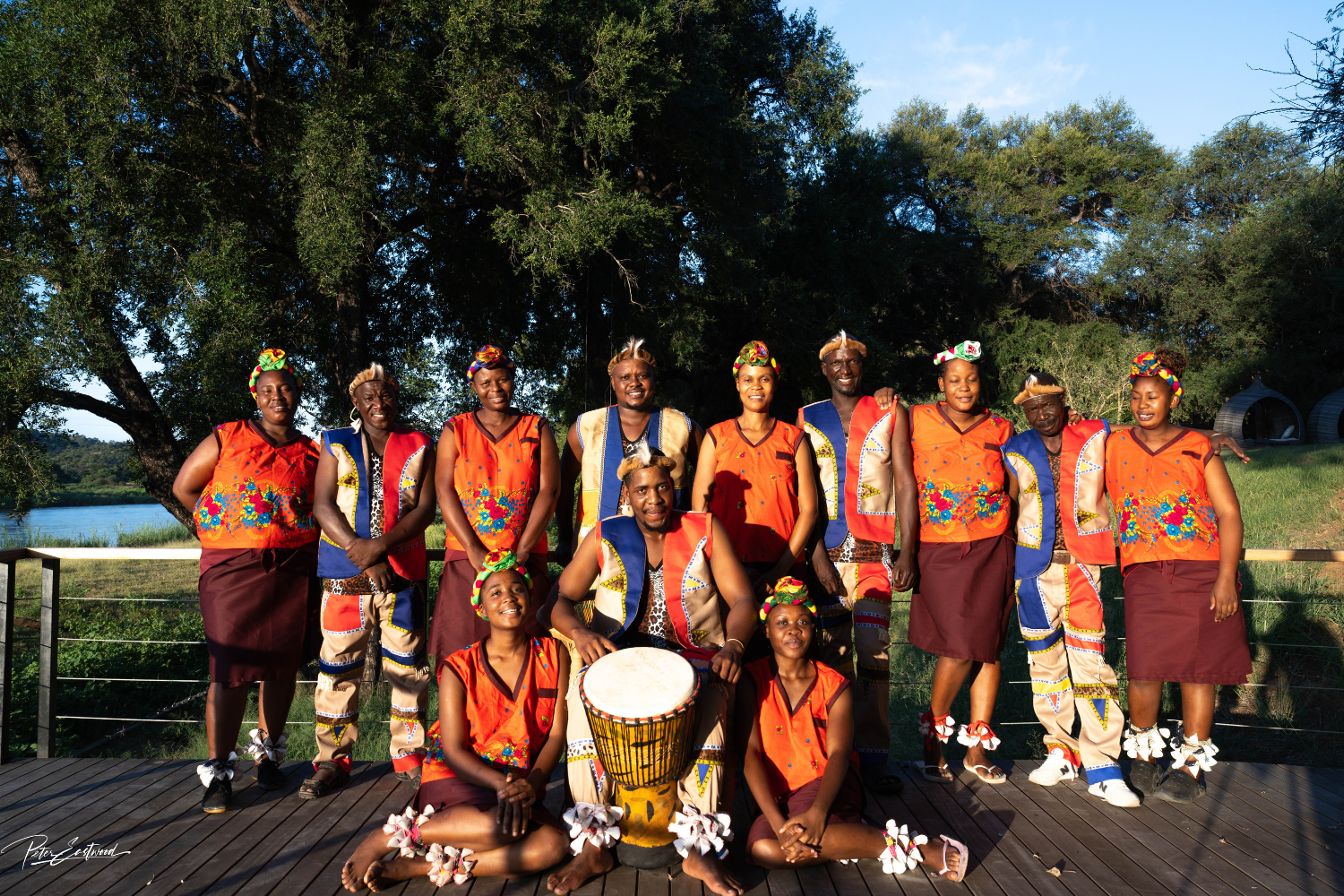
Our camp brings together people from different backgrounds, languages, and perspectives. Shangaan, Sepedi, Ba Sotho, Zulu, Xhosa, English, and Afrikaans are woven into our lives here, alongside the perspectives of travellers from around the world, adding to the tapestry of diversity we experience not only in the natural world, but in the camp that holds us.
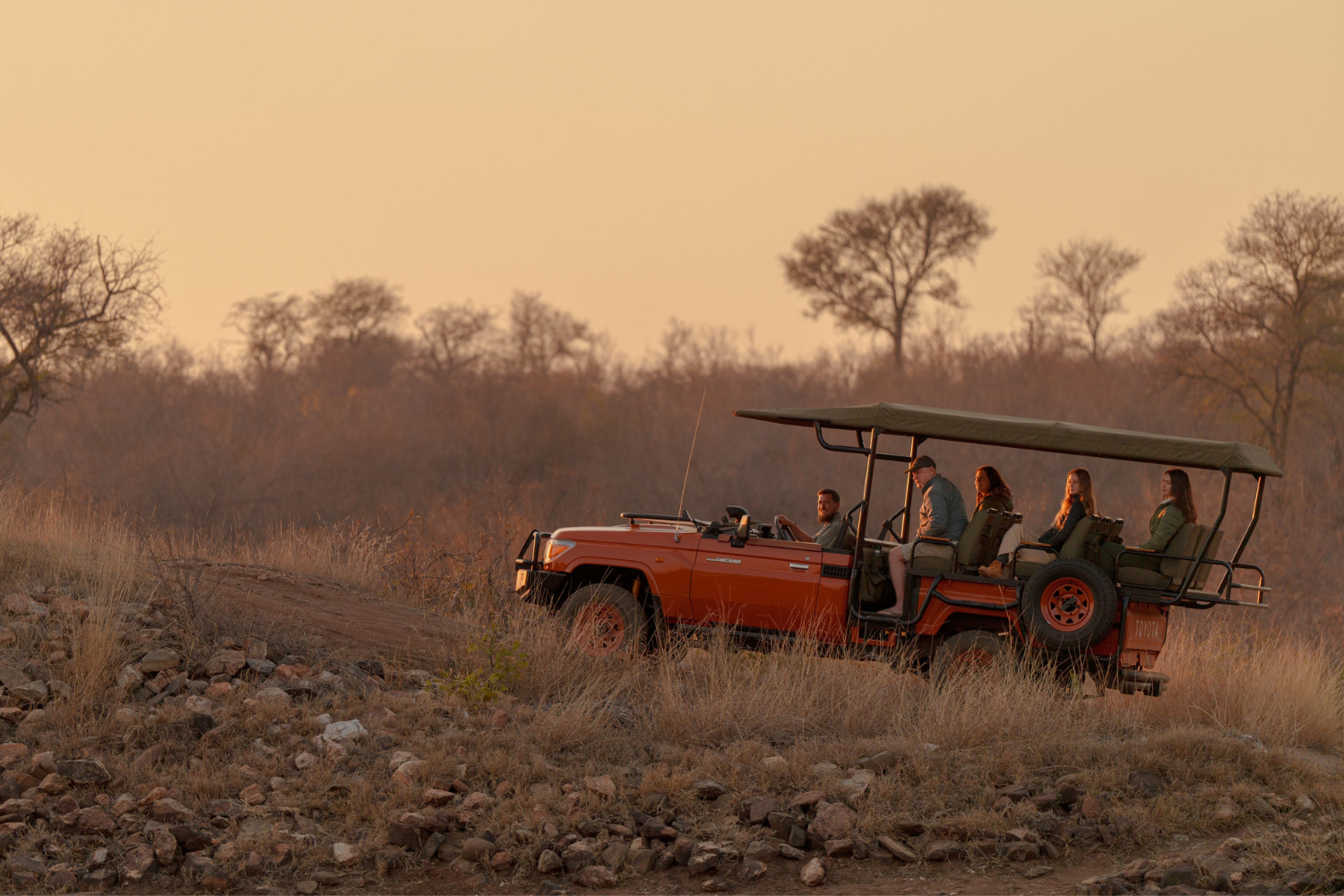
Our heritage holds many layers; the first we carry within our close communities. The second happens when we unite as a nation. The third layer comes when we welcome travellers near and far to share our customs with us. Guests don’t simply step into South Africa’s heritage. They become part of its ongoing story.
This is Ubuntu in practice: sharing space, telling stories, learning from one another and recognising that we are enriched by the people around us—Xandla famba, Xandla vuya.—This is further reflected in our nonprofit partners at Koru Camp, our sense of connection and community, where belonging is created through the relationships that we build.
What We Carry Forward
South Africa’s heritage is vast and beautifully complicated. It belongs to many, in very different ways. It lives in the landscapes that have helped shape generations. It lives in the communities that hold us together, and it lives in everyday moments that otherwise go unnoticed.
It is the things we teach without realising that we are teaching them. In a word spoken in our mother’s tongue, a recipe remembered by heart and shared with those around us. A story told from one generation to the next that reminds us of our ancestry. Our roots. Our belonging.
This Heritage Day, we celebrate the many threads that contribute to the abundant diversity that is our country. We celebrate our people and cultures. We honour our traditions and histories.
Our heritage lives because we keep it alive. It is not simply what we inherit. It is what we continue to nurture.
 Enquire
 Chat
Chat Email
Email